Māori Visual Culture
Every mark carries meaning.
Māori art is not decoration. It is a system of recording identity, history, and connection to land. These forms are expressions of the same worldview as te reo Māori — the language and the art are inseparable.
Tā Moko
Tā moko is the traditional Māori practice of tattooing the face and body with intricate, spiralling patterns. It is not decorative. Each design is a living record of identity — encoding whakapapa (genealogy), iwi (tribal) affiliation, social rank, and personal history. No two moko are the same.
The patterns are not drawn on the skin — they are carved into it. Traditional practitioners used uhi (chisels) made from albatross bone, creating grooves rather than punctures. This produces the distinctive textured quality of traditional moko. The head was considered the most sacred part of the body (tapu), and the moko worn on the face was the most significant statement a person could make about who they were and where they came from.
Today, tā moko is experiencing a powerful revival as Māori reclaim identity and ancestry through the practice. It is considered a deeply personal and sacred act — not a fashion choice.
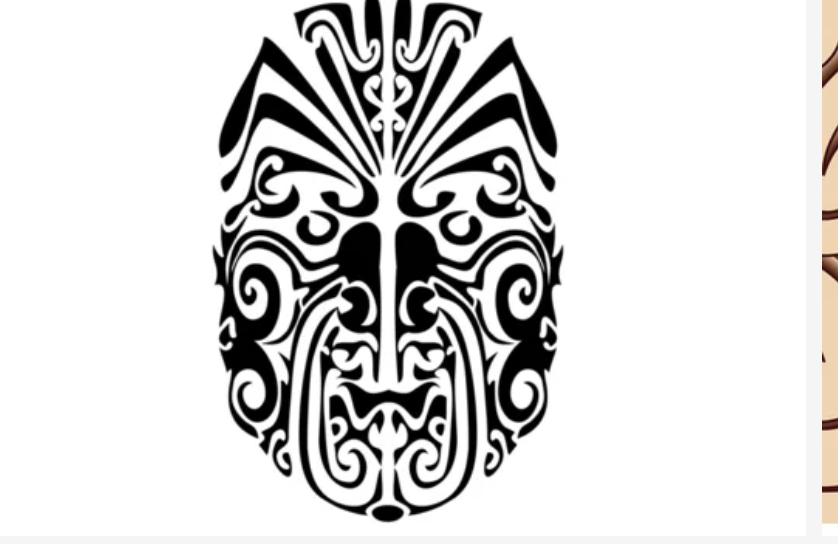
Full face tā moko — the kauae (chin), cheek spirals and forehead lines each encode specific genealogical information.
Cultural significance
Identity and whakapapa
Tā moko is a visual biography. The patterns record a person's lineage, tribal connections, and social standing. Reading a moko is reading a person's history. It cannot be separated from the person who wears it.
Tapu and the sacred
The head is the most tapu (sacred) part of the body in Māori culture. Moko applied to the face carries the greatest spiritual weight. The process of receiving tā moko was — and remains — a ceremony, not a transaction.
Revival and reclamation
Colonisation suppressed tā moko. The revival that began in the 1970s is not nostalgia — it is a political and cultural act. Wearing tā moko today is a statement of survival, sovereignty, and continuity.
Body placement
The placement of moko on the body is not arbitrary. Each area carries specific cultural meaning and traditionally encoded different categories of information about the wearer.
Pattern elements and their meanings
Tā moko is composed of specific design elements, each carrying distinct meaning. A skilled tohuhu tā moko (tattoo master) combines these elements into a unique composition for each individual.
Koru
The unfurling fern frond. Represents new life, growth, strength and peace. The most fundamental element in Māori design.
Manaia
A spiritual guardian figure with a bird head, human body and fish tail. Represents the balance between sky, earth and sea. Often placed at the edges of compositions as a protector.
Hei tiki
A stylised human figure, usually in profile with a tilted head. Represents the first human, Tiki, and is associated with fertility, good luck and the connection to ancestors.
Pakati
Dog-skin cloak pattern. Represents strength, courage and the qualities of a warrior. Appears as a repeating notched or serrated band.
Unaunahi
Fish scale pattern. Represents abundance, health and prosperity. Appears as overlapping curved scales in repeating rows.
Hikuaua
Mackerel tail pattern. Represents prosperity and good fortune, particularly in relation to the sea and fishing.
Ahu ahu mataroa
Represents achievement, agility and sport. Often incorporated into compositions for athletes and warriors.
Niho taniwha
Taniwha teeth. A repeating triangular or zigzag pattern representing the power and strength of the taniwha (water guardian).
Pikorua
The double twist or infinity symbol. Represents the joining of two people or cultures, the intertwining of life paths, and eternal connection.
Design examples
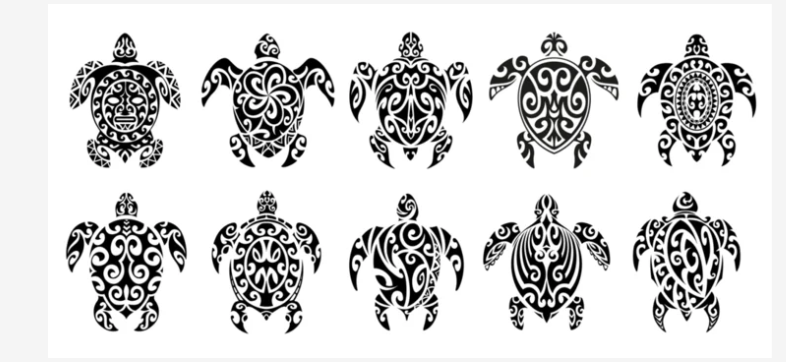
The following examples illustrate the range of tā moko compositions — from full face designs to body placements. These are reference illustrations only. Authentic tā moko is always created by a trained tohuhu tā moko for a specific individual.
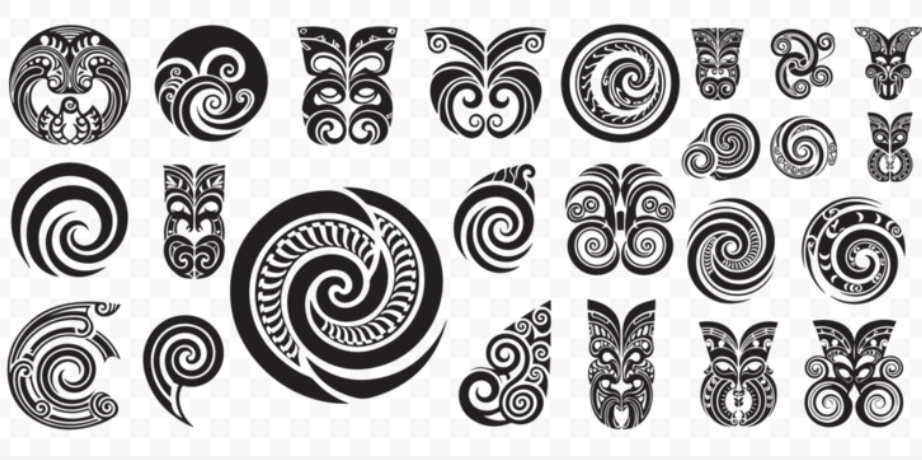
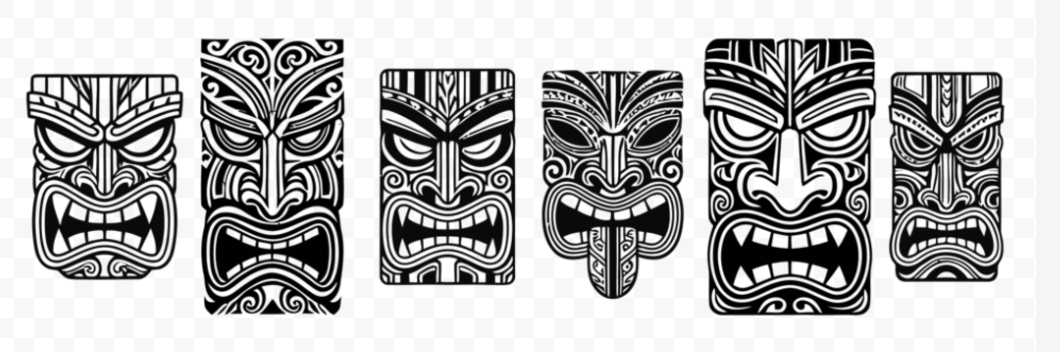
Core symbol vocabulary: koru spirals, manaia, tiki faces and double koru
Full face tā moko — each line encodes genealogical information
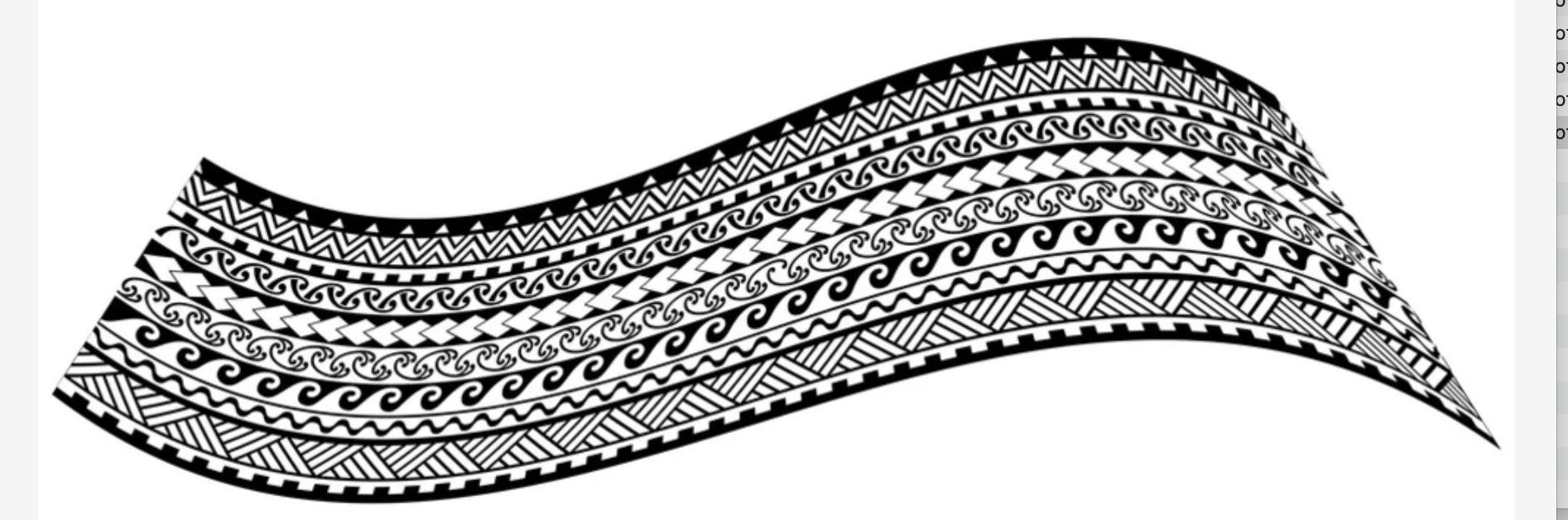
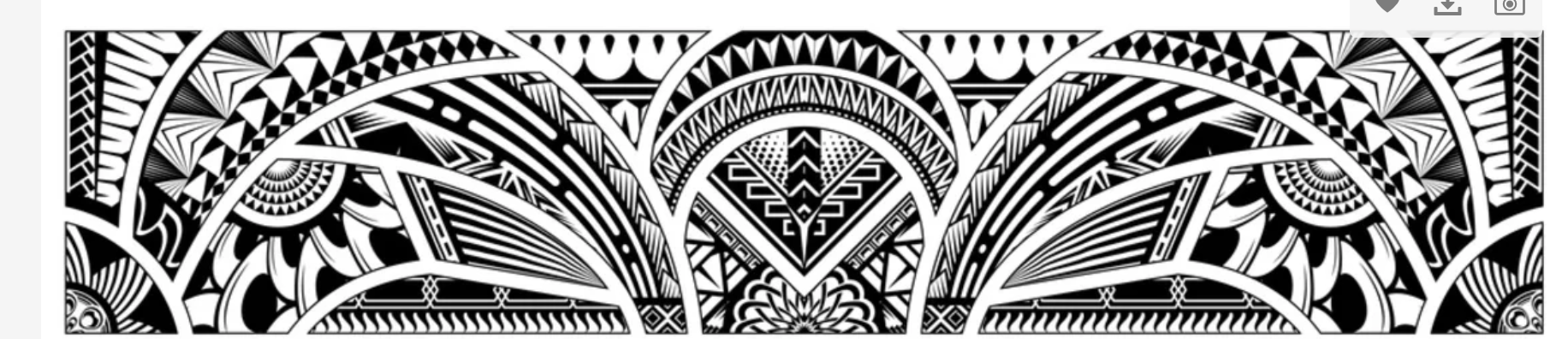
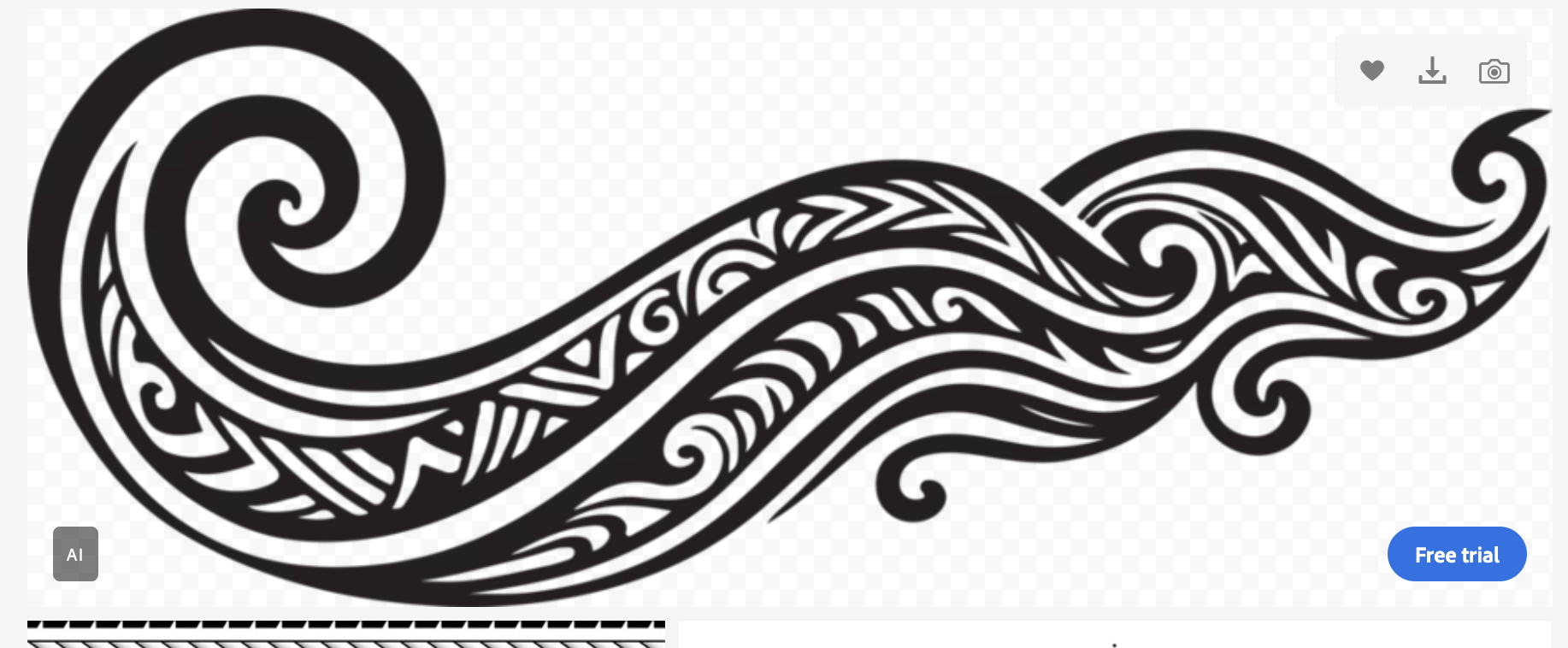
Arm sleeve band — flowing wave and geometric band composition
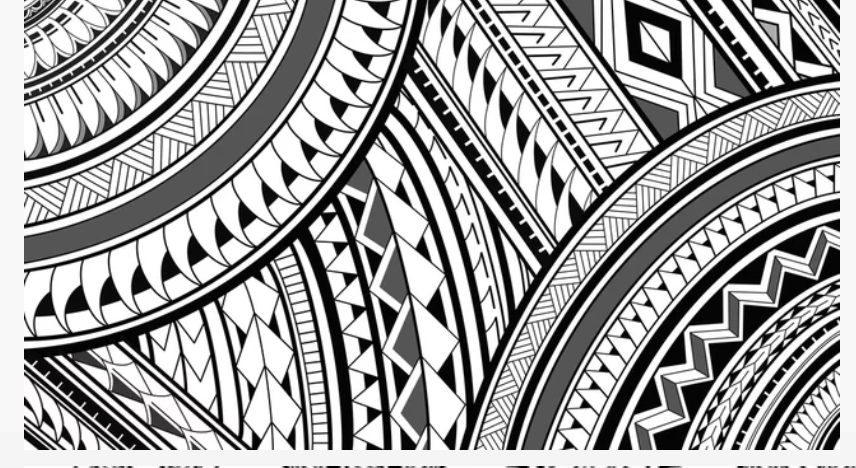
Dense sleeve pattern — multiple band elements combined
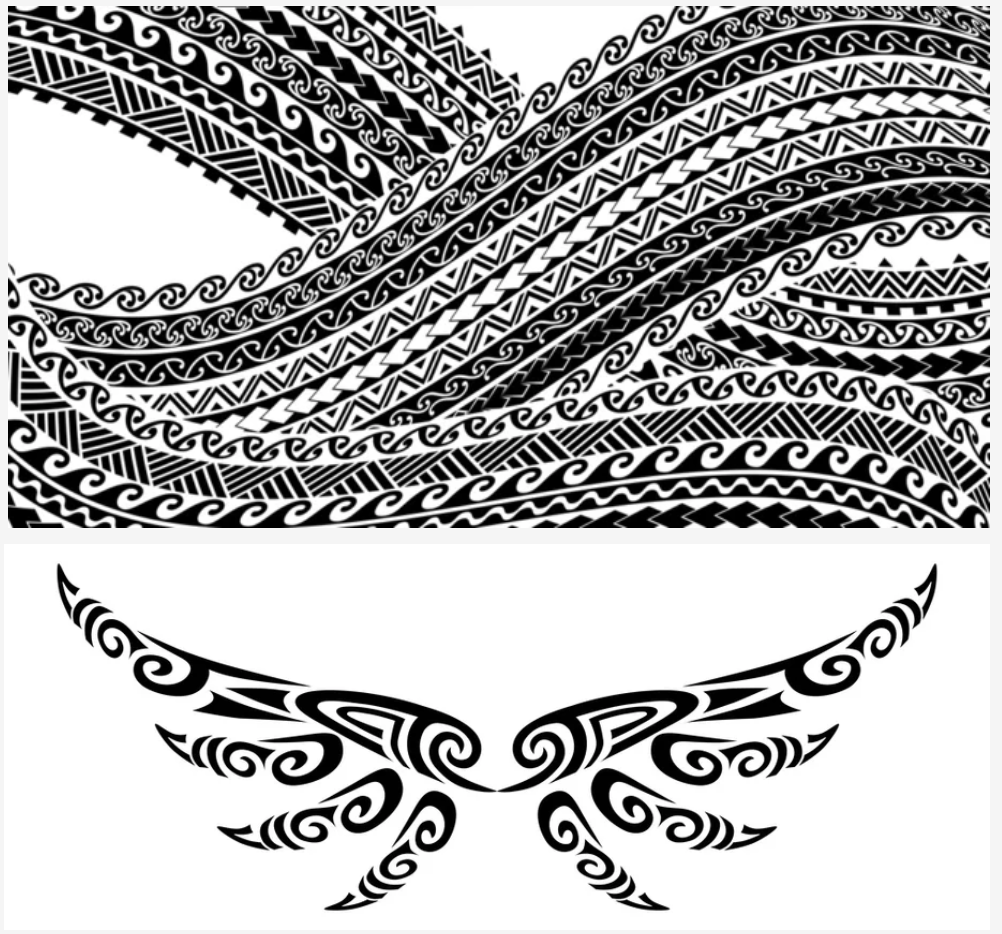
Chest piece — bilateral wing composition with koru scrolls
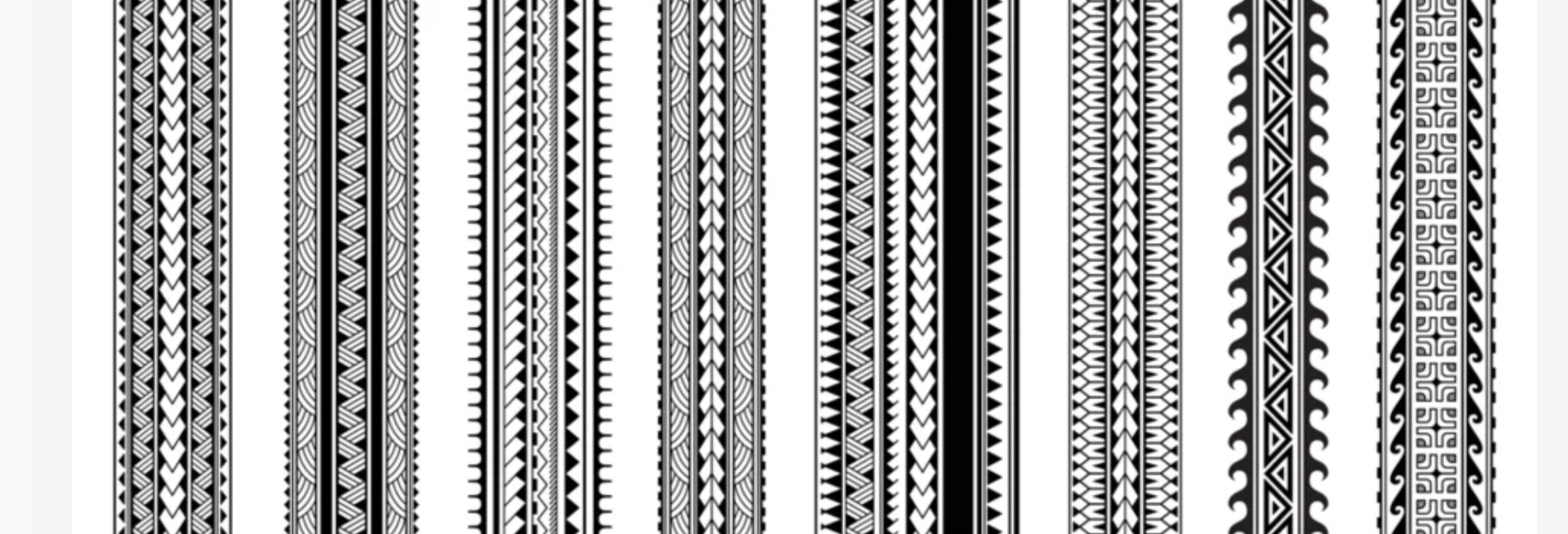
Geometric band pattern with triangular and wave elements
Spiral and koru composition
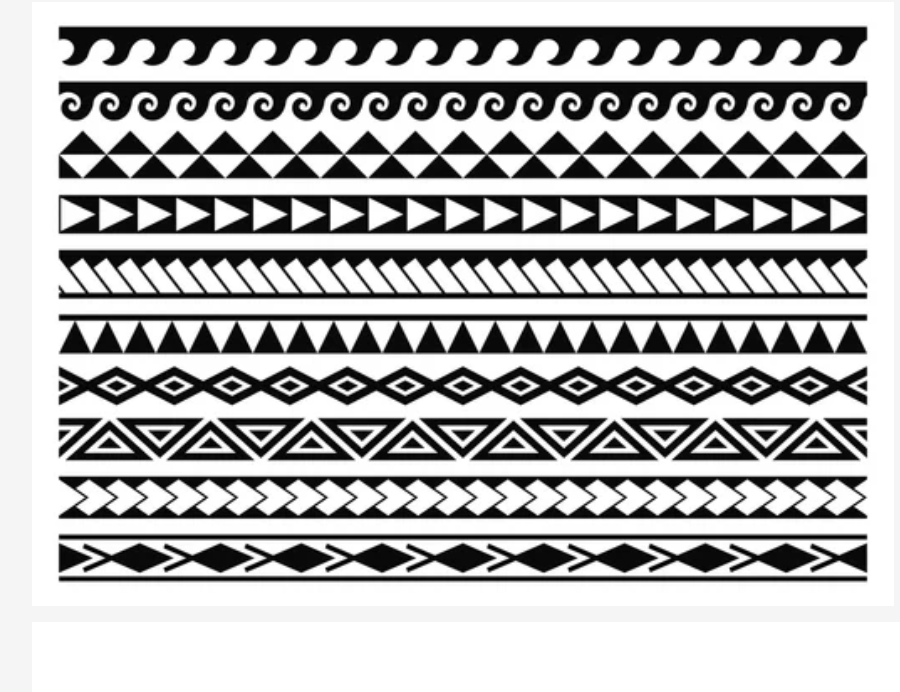
Traditional pattern elements
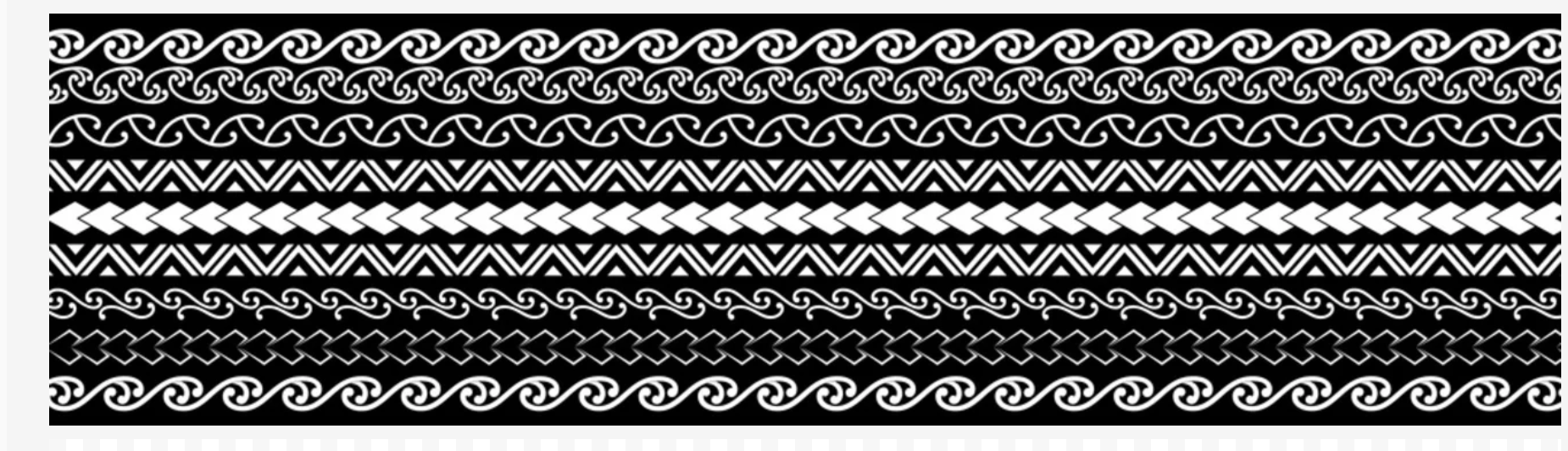
Band and scroll composition
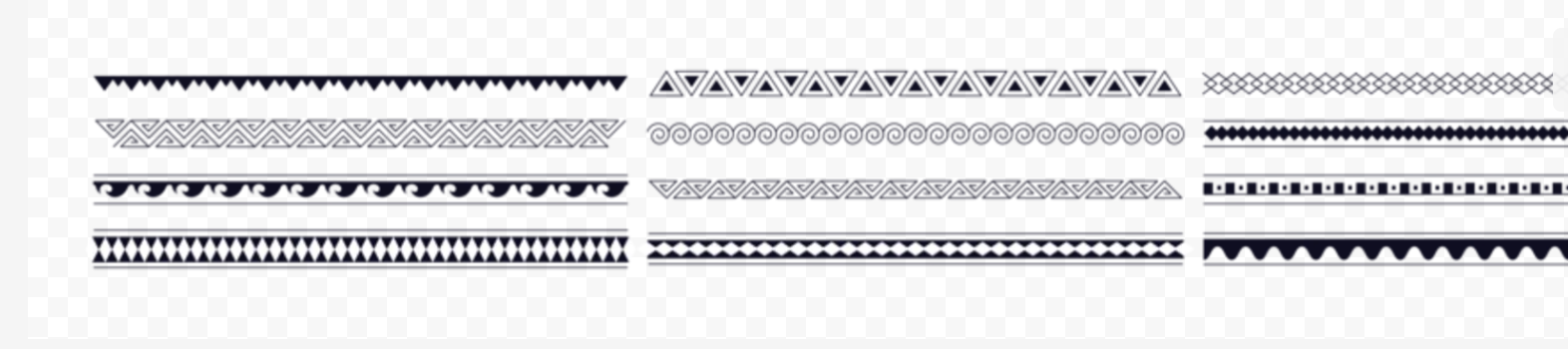
Geometric and organic elements combined
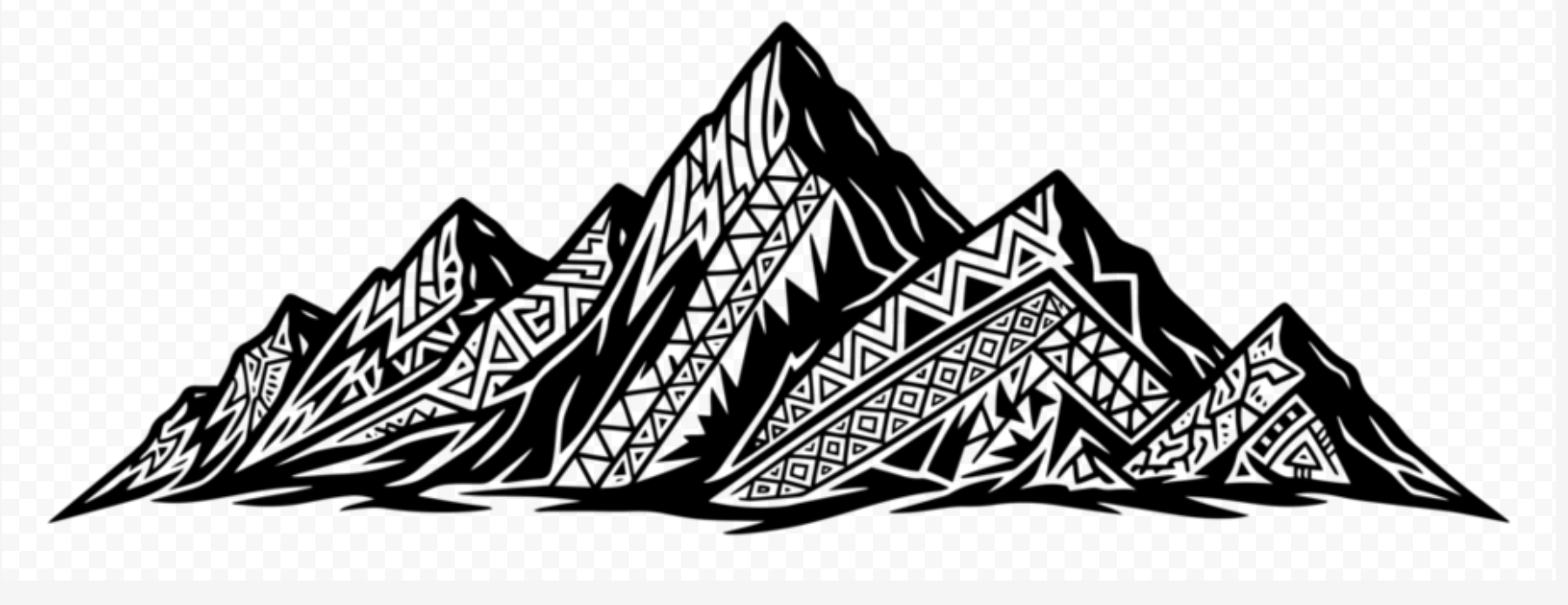
Traditional koru and manaia elements
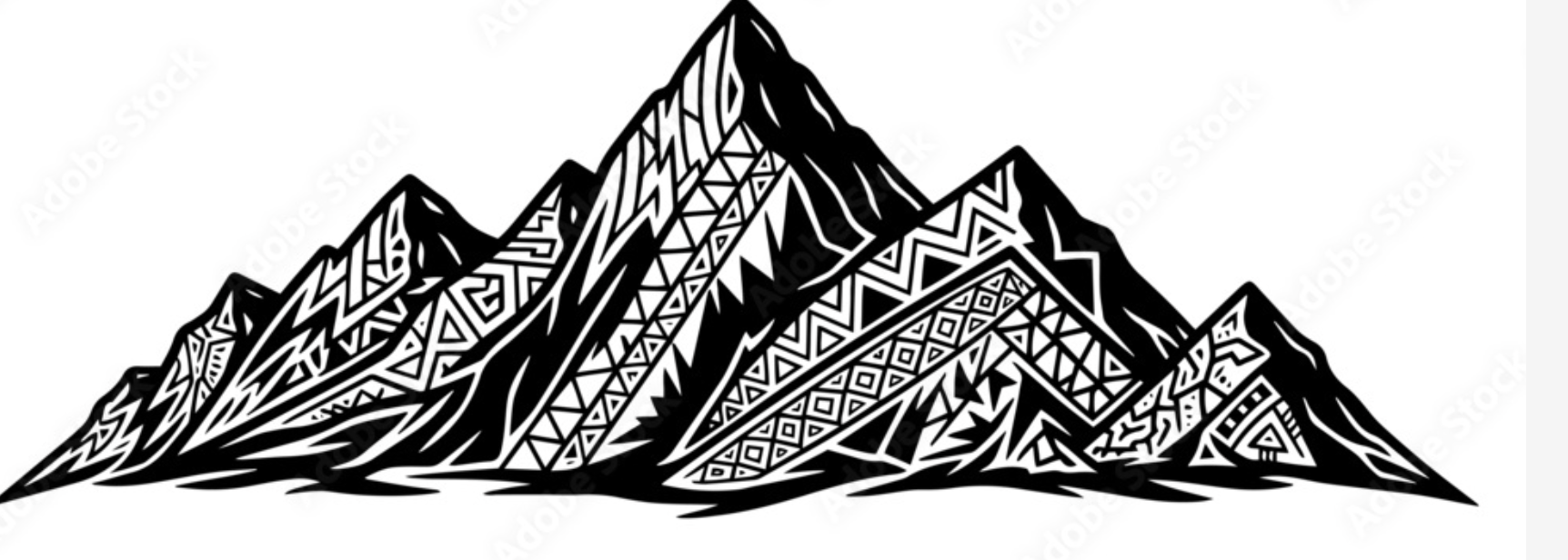
Full composition example
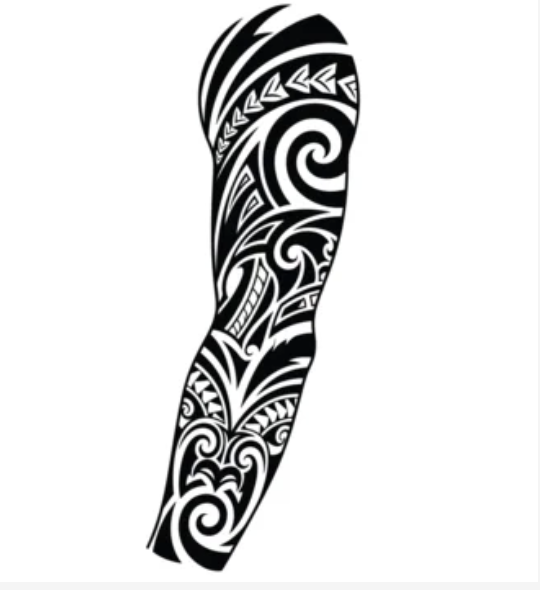
Pattern detail
Spiral composition
Band pattern with geometric elements
Traditional design elements
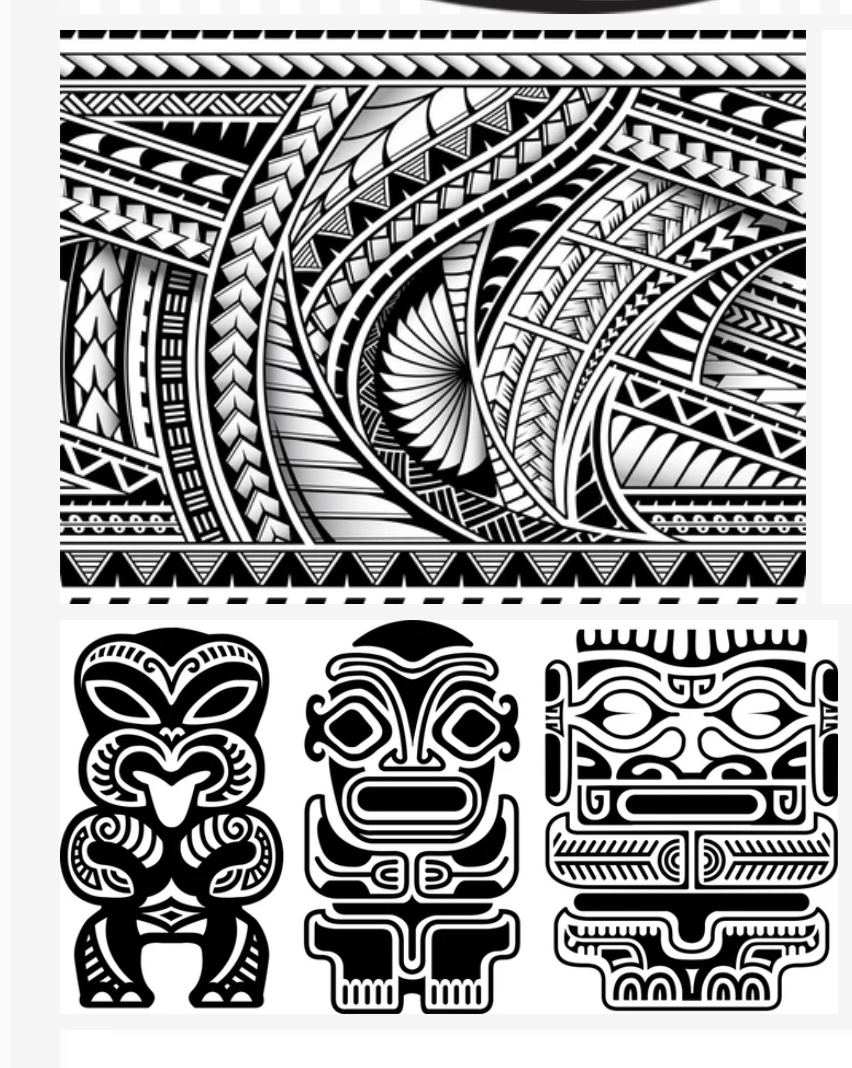
Koru and scroll composition
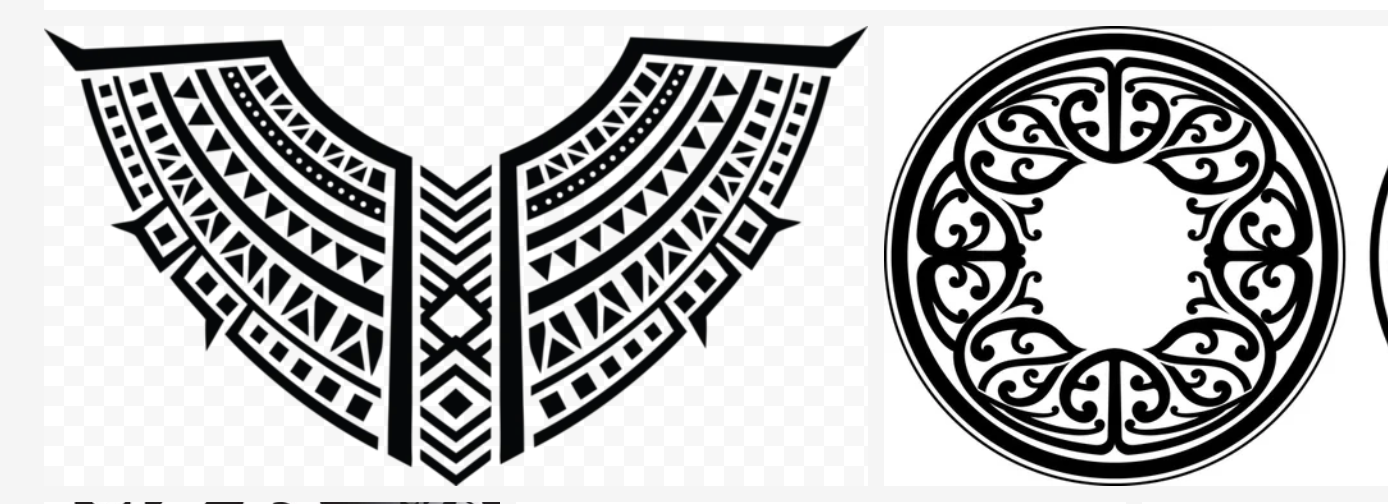
Full body placement example
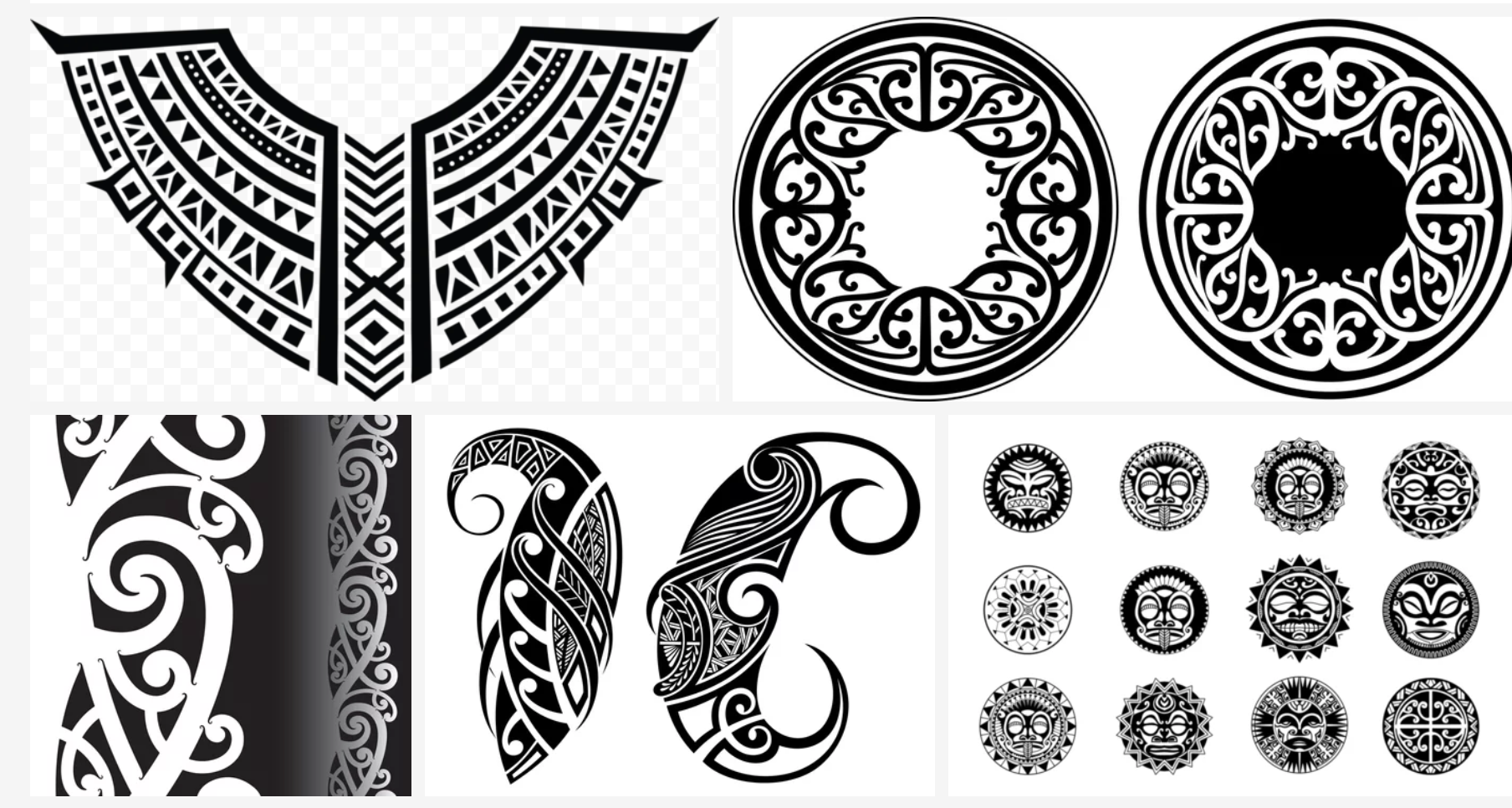
Geometric pattern detail
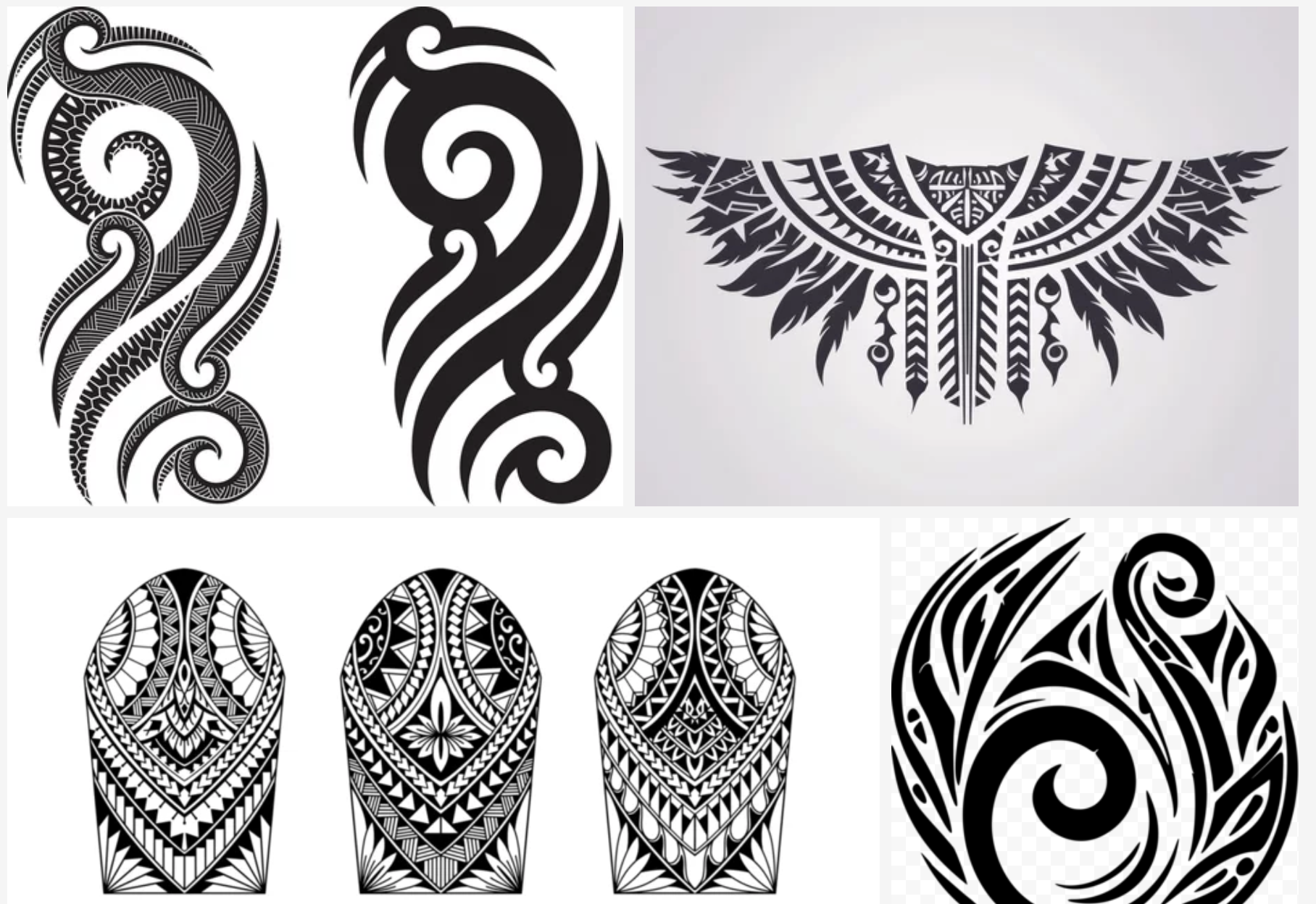
Contemporary tā moko composition
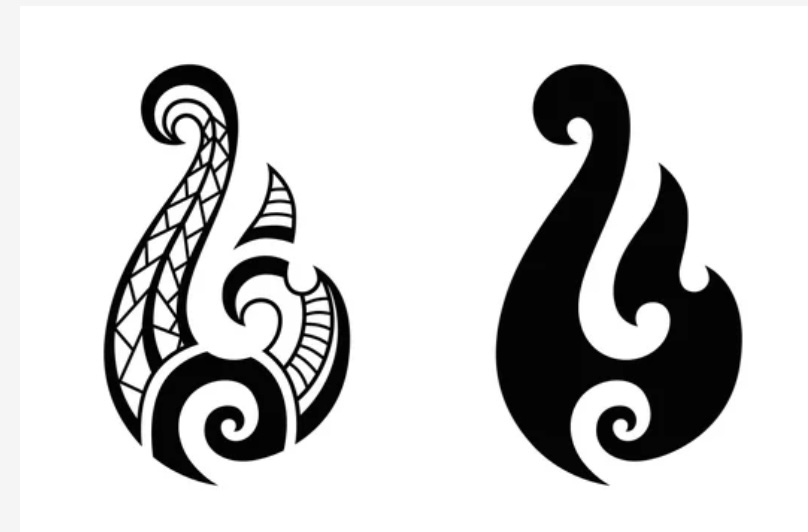
Traditional pattern reference
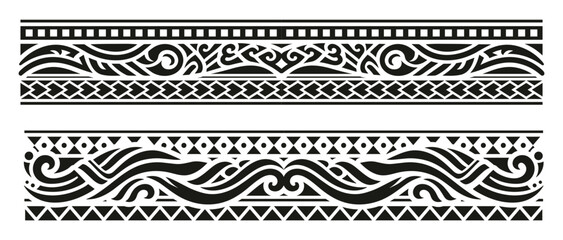
Tā moko design reference
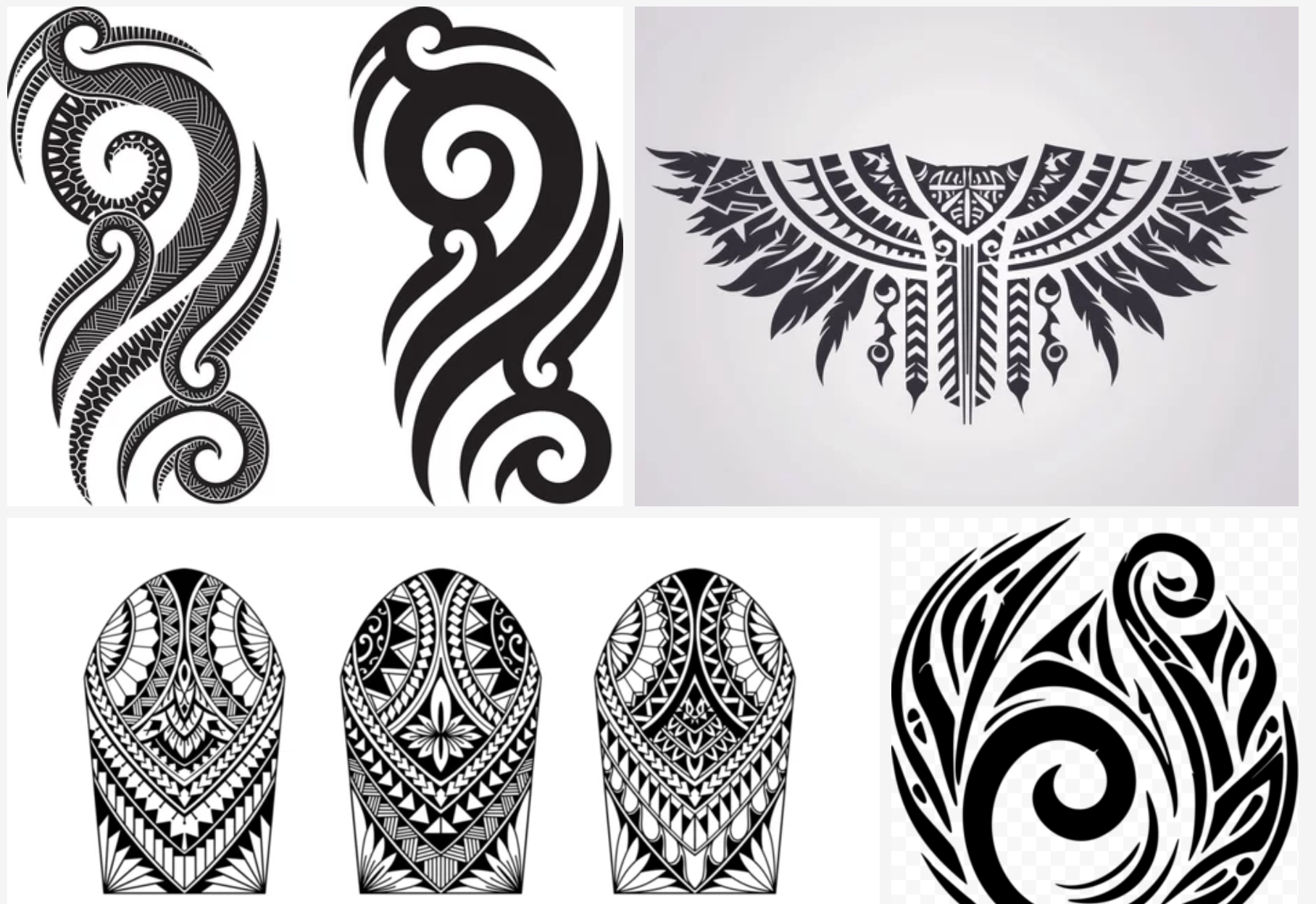
Arm sleeves, chest pieces and koru spiral compositions
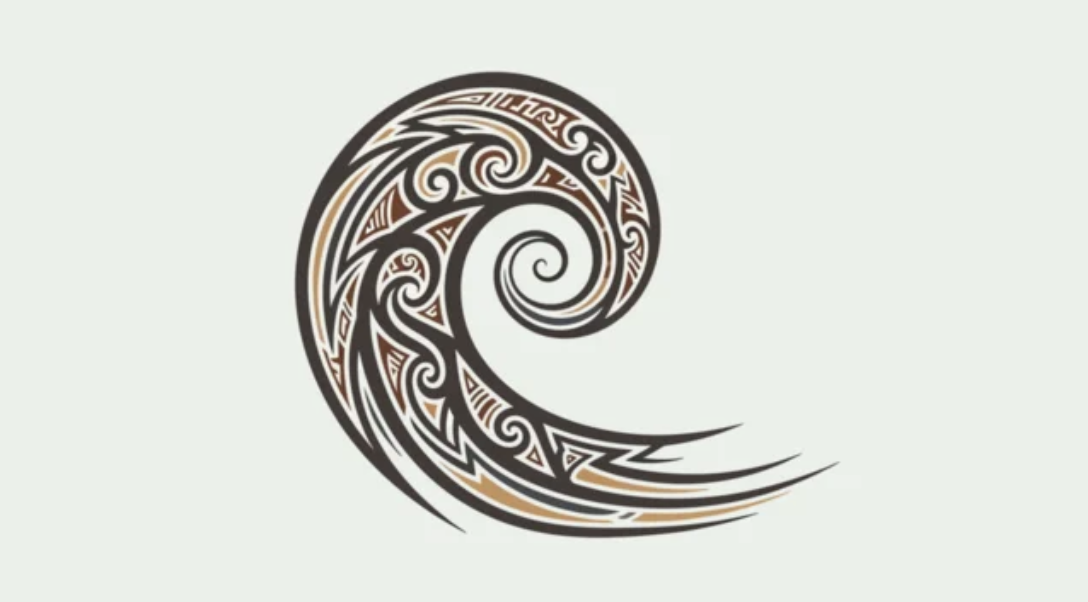
Koru spiral in earth tones — the fundamental design element of tā moko

Tiki face designs and koru fern pattern — whakairo and tā moko traditions
A note on cultural respect
Tā moko is a tapu (sacred) practice belonging to Māori people. The designs shown here are reference illustrations for educational purposes. Wearing tā moko without Māori ancestry is considered cultural appropriation. If you are interested in Māori-inspired tattooing, seek out a Māori tattoo artist who can create a design appropriate to your background and relationship with the culture.
Hear the language behind the art.
The art forms on this page and te reo Māori are expressions of the same worldview. Use the translator to hear the words that accompany these traditions.